
support for your child
Child therapy in San Francisco, CA


Children don’t always have the words to tell us what’s going on inside.
Children often communicate their feelings through behavior rather than words. Big reactions, withdrawal, frustration, or difficulty navigating everyday situations can be signs that a child is struggling with feelings they don’t yet know how to express or manage.
Play offers children a natural way to communicate and make sense of their experiences. Child-Centered Play Therapy meets children where they are developmentally, rather than expecting them to talk through their problems like adults.
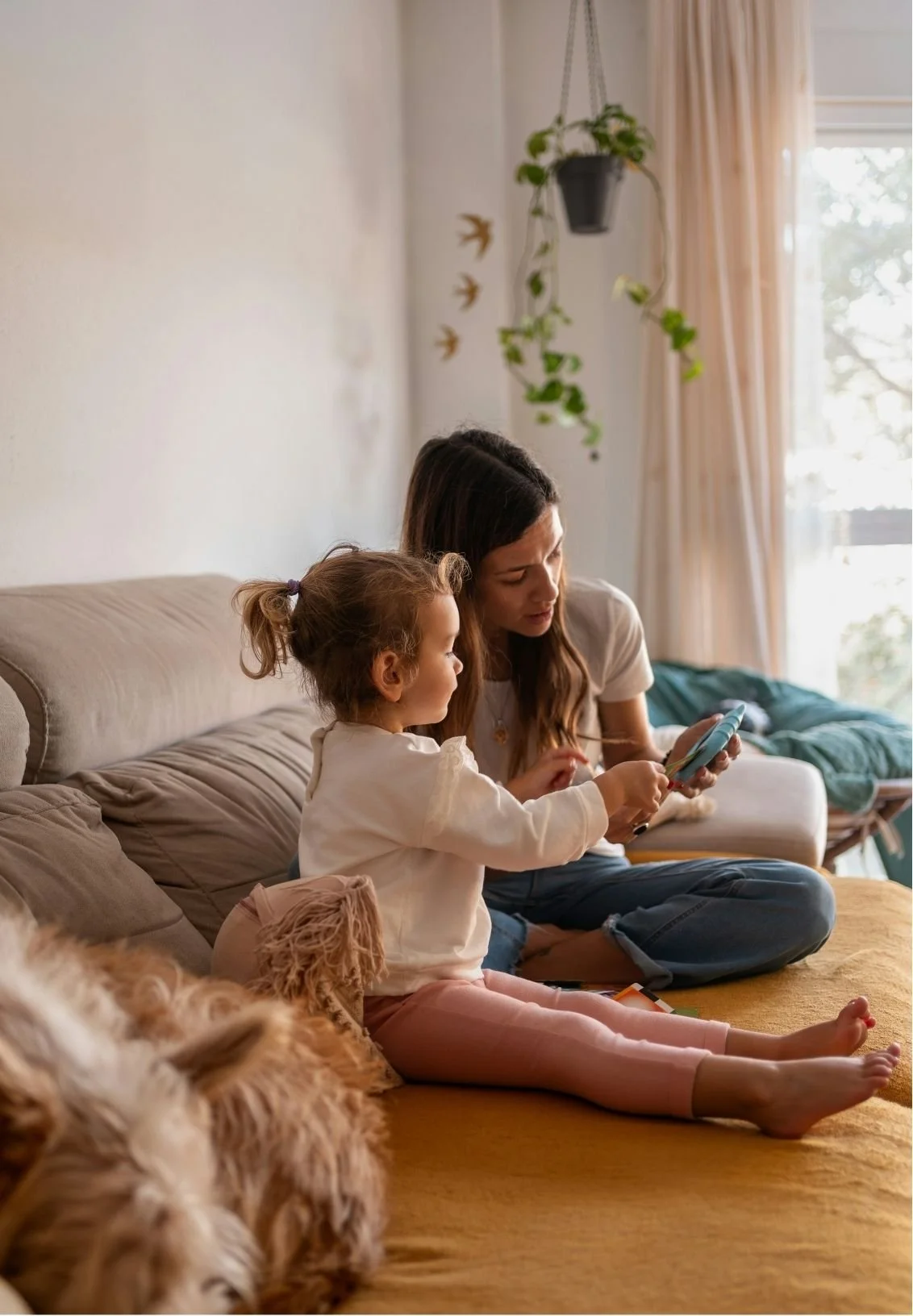
Does this sound like your child?
Big emotions that feel unpredictable or overwhelming
Behaviors that don’t respond to logic, reasoning, or consequences
Struggles to put feelings into words
Gives up easily when things feel hard or when they make a mistake
Here’s what we’ll do together
Therapy that meets your child where they are - and helps them grow from the inside out.
I use Child-Centered Play Therapy, an evidence-based approach that allows children to express, explore, and work through emotions and experiences in the way that comes most naturally to them - through play.
In the beginning, sessions focus on helping your child feel safe, understood, and accepted. As trust builds, play becomes a powerful window into their inner world, giving them space to process feelings, practice regulation, and develop a stronger sense of self.
Over time, you may notice changes that extend beyond the therapy room. Your child may begin to handle emotions with more flexibility, increase their emotional vocabulary, and feel more confident navigating change and challenges.
I meet with parents for regular check-ins to share overall themes, discuss what’s showing up at home, and offer guidance that aligns with your child’s therapeutic work.
the heart of play therapy
Meaningful change happens when children feel understood, accepted, and supported for who they are.
what change can look like
Imagine a life where…
Your child feels more at ease expressing their feelings
Emotional outbursts become less frequent and less intense
Your child shows more confidence and resilience
Home feels calmer, with fewer power struggles

Let’s help your child build on their unique strengths and grow into the best version of themselves.
Questions?
FAQs
-
While play therapy can look like “ordinary” play, there’s much more happening below the surface. Through play, children can express feelings, explore experiences, and work through challenges in ways that words alone may not allow.
In Child-Centered Play Therapy, the therapist provides a carefully designed environment and therapeutic relationship that helps children develop greater emotional awareness, confidence, and resilience.
-
Parents are engaged in the play therapy process through parent consultations, held every 5 sessions. During these meetings, we will discuss how things are going at home, share general themes and observations from therapy, explore ways to support your child’s growth outside of sessions.
-
No. Play therapy is not a forensic service and is not used to make custody recommendations or legal determinations.
My role is to support your child’s emotional well-being in a safe, therapeutic space. While I may share general themes or observations during parent consultations, I do not provide opinions or documentation for custody disputes or court proceedings.
-
I will share the overarching themes that emerge in your child’s play, my clinical observations, and their therapeutic progress rather than specific details of what they say or do during sessions.
Protecting your child’s privacy helps create a trusting environment where they can freely express their thoughts, feelings, and experiences without worrying about how others might respond.